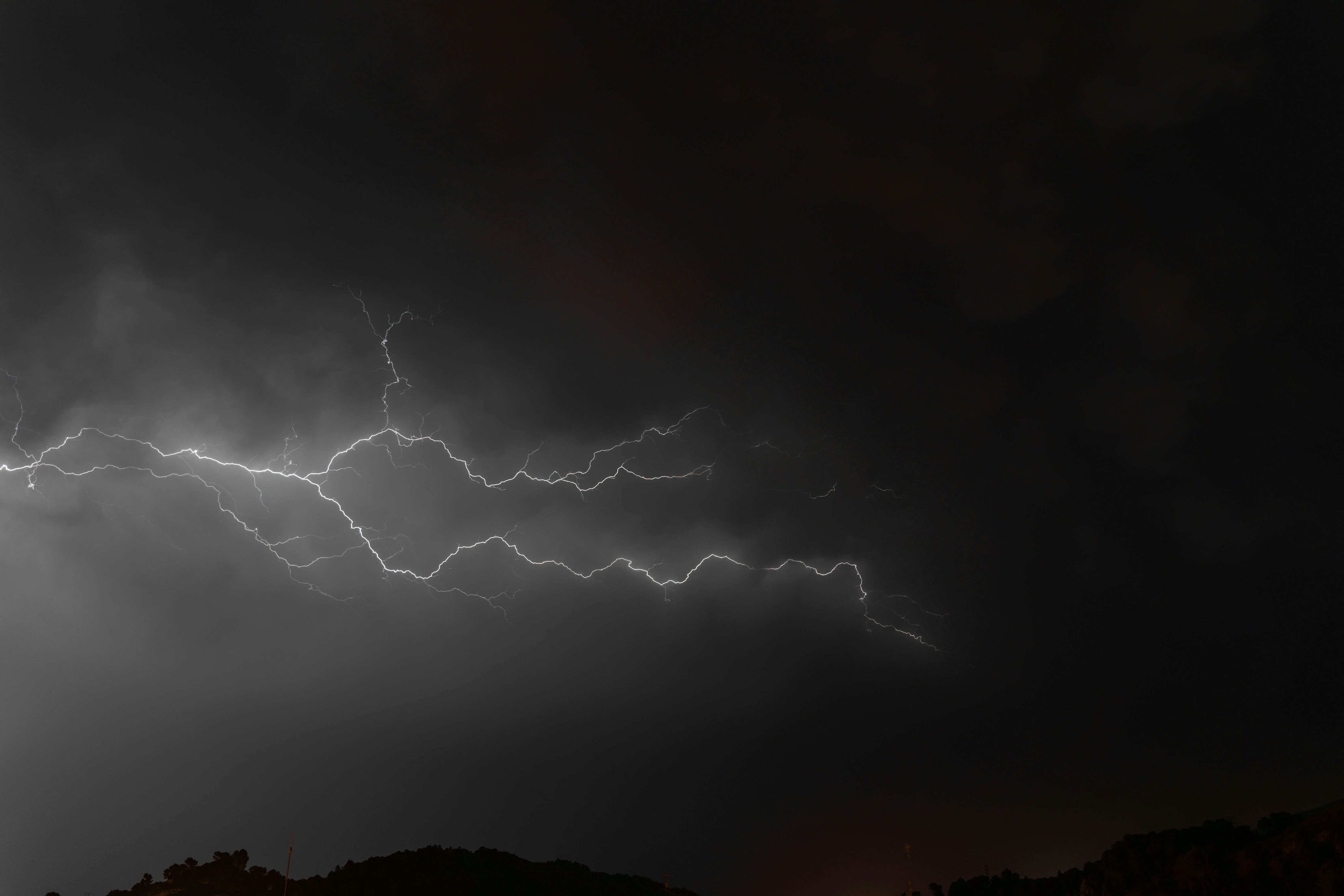
The term "fulgurites" comes from “fulgur”, which is the Latin word for lightning.
Fulgurites or “petrified lightning” are metamorphic rocks composed of vitrified silica in the shape of an elongated cylinder. They are created when lightning strikes sandy ground and spreads through the quartz sand, melting and vitrifying the grains.
This process is possible due to the high temperatures reached at the moment of the lightning strike.
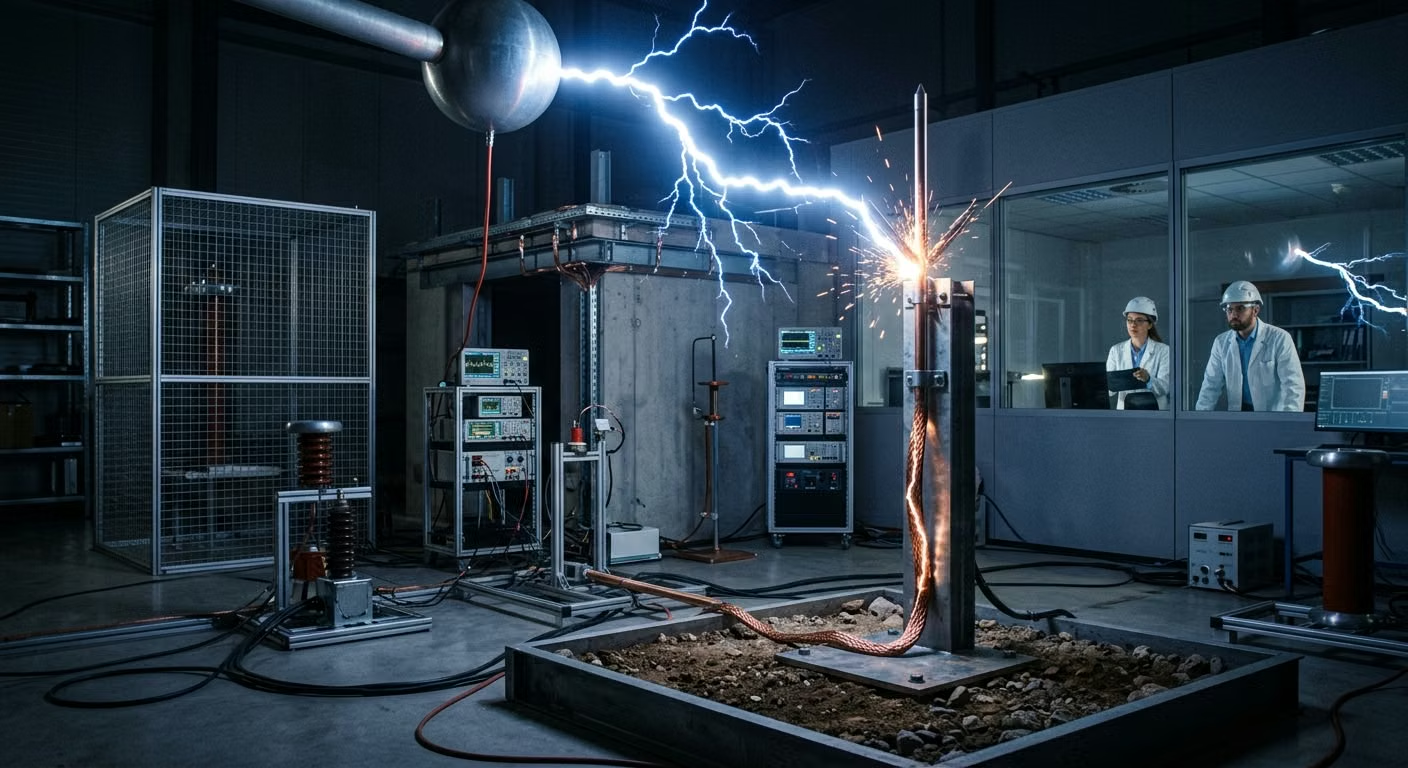
When the strike occurs, the sand and soil vaporize, and the lightning penetrates the ground, branching out. The temperature of the silicon reaches 50,000°C, creating hollow glass tubes between 2 and 50mm in diameter.
The large amount of energy concentrated at the point of impact causes the rock and molten sand to rise, following the lightning's channel. This generates wonderful hollow glass formations, known as fulgurites.
The color of fulgurites depends on the soil's composition and its chemical impurities. Generally, they are of different shades of gray, although they can be greenish and even take on a reddish or white appearance.
David Hermann made the first documented discovery of a fulgurite in Germany in 1706. Since that time, fulgurites have been found almost all over the world, even in areas like the Sahara where, currently, there are hardly any lightning strikes. This confirms that in prehistoric times, environmental conditions were very different from today's.