There are different types of lightning. These can be classified by the direction of their stroke and depending on whether the discharge occurs between clouds or between a cloud and the ground. CL
OUD - GROUND
This is the best-known type of lightning, although not the most common. It is a discharge between a cumulonimbus cloud and the ground. It is the most dangerous type of lightning as it travels downwards from the cloud and upon impact can cause serious injuries to living beings and significant damage to objects and properties. Within the cloud-to-ground lightning as we all know them, a downward stroke from the cloud to the ground, there are some with different particularities:
Pearl
This is a type of cloud-to-ground lightning characterized by generating a chain of short, bright sections that last longer than a typical discharge. It is a relatively rare phenomenon that, according to science, may be due to the variation in the lightning's width, which creates an illusion of more or less light in some parts of its path. It can be more properly considered a discharge stage of a normal lightning bolt rather than a type of lightning in itself.
Staccato
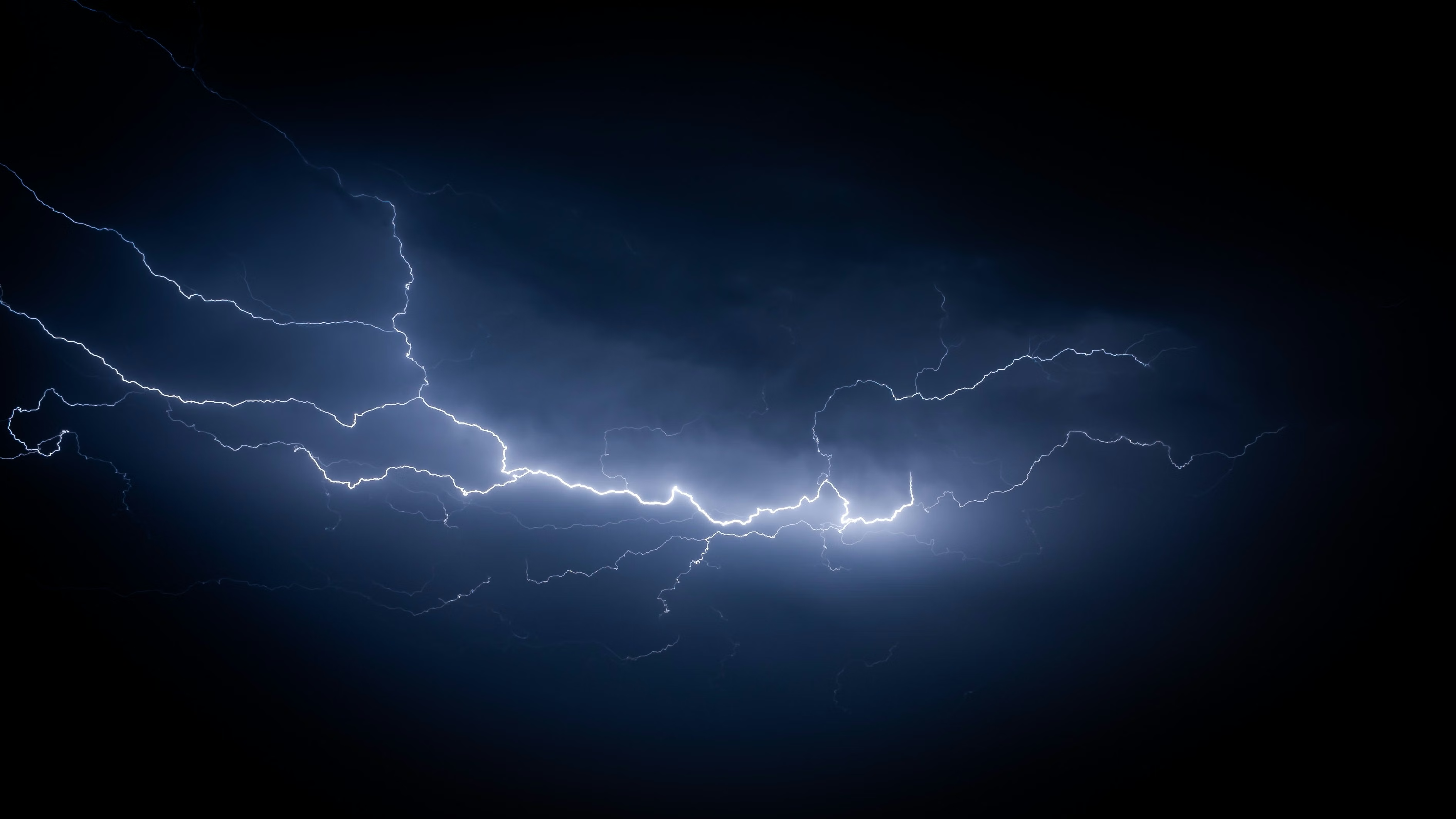
This is a type of cloud-to-ground lightning of very short duration, with the appearance of a very bright flash and numerous branches.
Forked
Forked lightning is the name given to cloud-to-ground lightning that shows branching in its path, very similar to staccato lightning but of longer duration. GROUND - CLOUD
This type of lightning consists of a discharge between the ground and a cumulonimbus cloud, with an upward stroke. It forms when negatively charged ions rise from the ground and meet positively charged ions in the cloud. When they collide, the lightning returns to the ground as a stroke. Typically, these upward lightning bolts are recorded in the vicinity of tall objects such as repeaters or skyscrapers. They constitute 1% of the total electrical discharges on the planet.
CLOUD - CLOUD
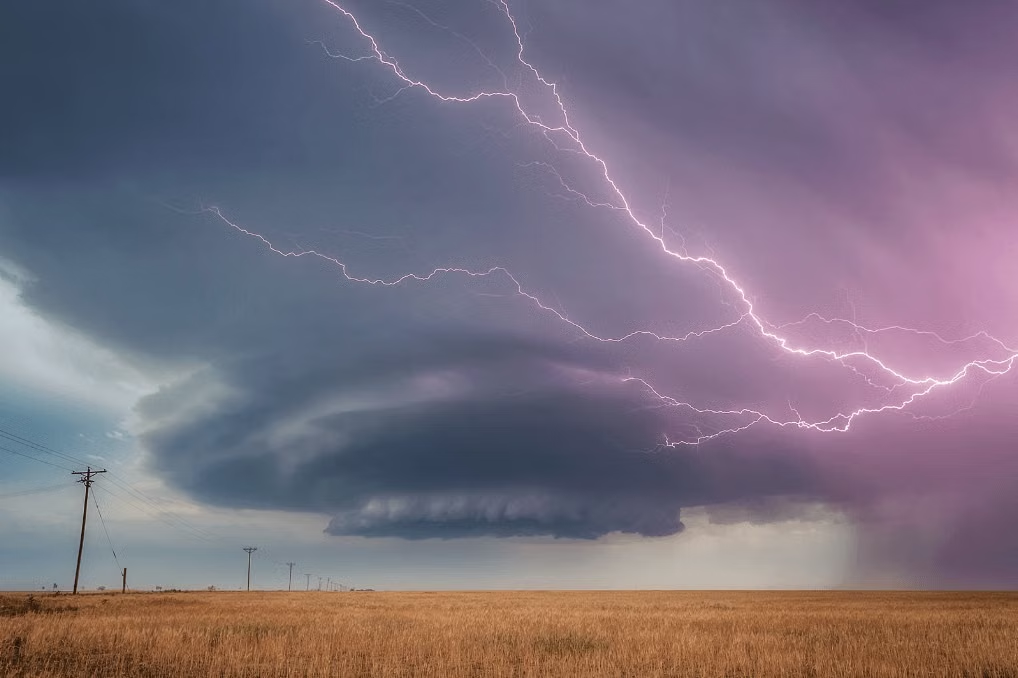
There are two types of cloud-to-cloud lightning: those that occur between two separate clouds, called Inter-cloud; and those that occur within the same cloud, between areas with different electrical potential, called intra-cloud. The latter being the most frequent.